
Interior plumbing approvals
If the drain changes the interior plumbing layout, permit and inspection requirements may apply. We sort that out with the existing site conditions before the install starts.
Food-service trench drains keep wash-down water moving through kitchens, prep zones, and service areas without turning the floor into a slip hazard. We build them around cleaning routines, traffic, and the plumbing the site is actually approved to use.
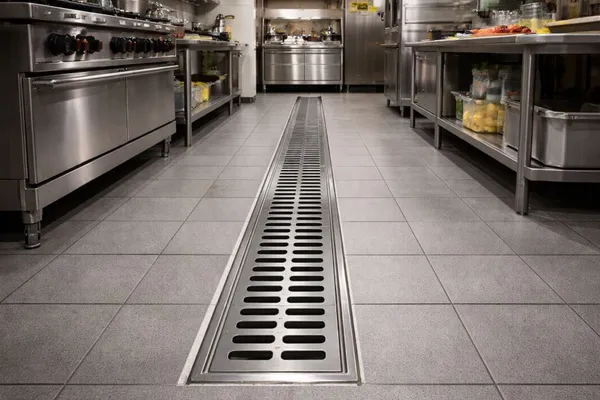
Commercial kitchens produce constant water in narrow working spaces. If the floor does not clear properly, the room feels dirty even when staff are cleaning all day.
Water from prep, dish, and wash-down zones sits in the same low strips if there is no long collection point to catch it.
Wet tile or sealed concrete in a fast kitchen is an accident waiting to happen. One bad low point affects the whole line.
Instead of draining where the cleaning happens, water runs through traffic paths, under equipment, and into places that are harder to sanitize.
Small point drains often leave the surrounding finish doing too much work. Over time that shows up as broken tile, failed grout, and low areas around the drain.
Food-service drains are usually narrower than industrial runs, but the detailing matters more. Cleanability, stainless components, and correct tie-in planning all carry real weight here.
Kitchen drains are not just about moving water. They need to work with the room's cleaning routine, equipment layout, and approved plumbing without creating hidden dirt traps.
We usually place trench drains where wash-down water is already travelling - along prep and dish zones, at the base of wet walls, or across service corridors that need to clear fast.
In kitchens and prep spaces, a trench drain works best when it follows the wet zone instead of forcing staff to chase water across the room. That usually means placing it beside equipment lines, dish areas, or wash-down walls where the cleaning water is already concentrated.
We also look at how the drain can be cleaned and accessed. A drain that handles water but traps debris, blocks traffic, or sits under equipment with no service clearance is not a finished design.
These installs are usually planned around shutdown windows, off-hours work, or tight service schedules. The goal is a clean cut, a correct plumbing tie-in, and a surface that returns to operation without creating a sanitation problem.
We confirm where water is being generated, how staff move through the space, and what equipment or finishes have to be protected.
The crew cuts the trench zone in a controlled strip so the surrounding finish and adjacent equipment remain manageable.
The drain body is installed flush and aligned to support cleaning, drainage, and safe foot traffic.
We connect the drain into the facility plumbing route that makes sense for the space and verify the function before the surface is restored.
The surrounding floor is patched so water sheds into the drain cleanly and the finished area is practical to clean day after day.
Interior food-service drains are plumbing work as much as surface drainage work. The tie-in, cleanability, and approvals matter just as much as the channel itself.
If the drain changes the interior plumbing layout, permit and inspection requirements may apply. We sort that out with the existing site conditions before the install starts.
Some food-service spaces need the drain route to work with grease management or other existing plumbing controls. We review that before tying into the system.
A drain that is hard to access, traps debris, or ties into the wrong plumbing route creates a bigger problem than the standing water it was meant to solve.
Food-service drain pricing depends on floor opening, work windows, plumbing tie-in requirements, and how the space has to stay operational.
Get a fixed-price quote after a free site visit — not a range.
Because long wet zones do not drain well to one small point. A trench drain gives water a full collection line instead of forcing the whole floor to pitch toward one spot.
Not in every single case, but stainless is common in food-service spaces because it handles cleaning well and suits the environment. The right choice depends on the room, the use, and the finish standard.
Yes. Most of this work is retrofit work in operating or recently cleared spaces. The main challenge is usually phasing and tie-in planning, not whether the drain itself can be installed.
Often they do when the work changes interior plumbing. We confirm that based on the existing facility and the proposed drainage route before construction begins.
Poor placement, weak floor pitch around the channel, or a drain that is difficult to clean and maintain. The plumbing side and the surface side both have to be right.
Sometimes, yes - usually in phases or off-hours. It depends on access, shutdown windows, and how much of the room has to remain in service during the work.
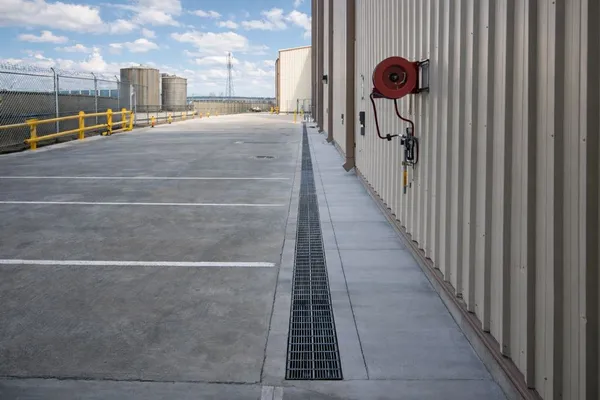
Heavy-duty surface drainage engineered for commercial traffic, runoff volume, and year-round reliability.
View details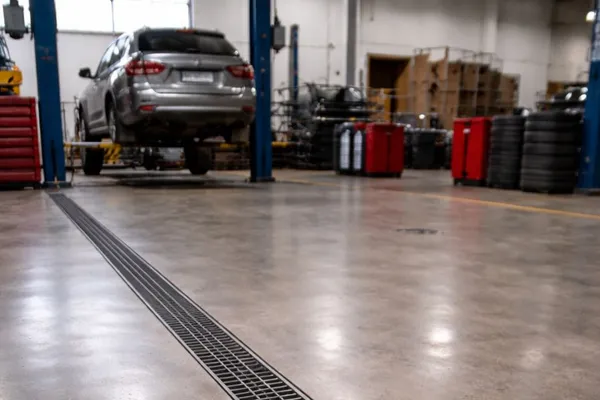
Surface drainage designed for service bays, drive-through lanes, and vehicle handling areas.
View details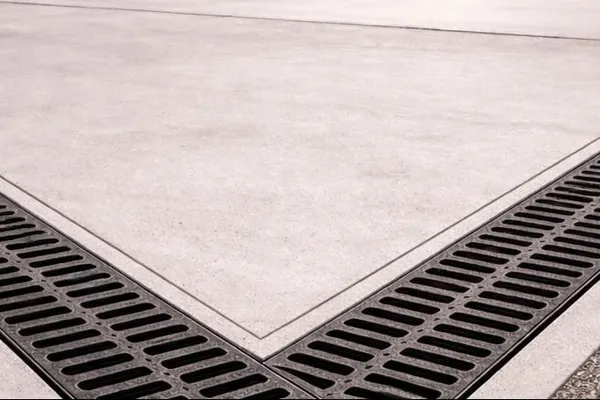
Surface drainage designed for fueling lanes, forecourts, and high-exposure pavement areas.
View detailsFree site visit across the GTA. We'll tell you what you actually need — no upsell.