
Door-line surface drainage
If the drain is catching exterior runoff at the garage opening and tying into existing private drainage, there usually is not a separate permit for the drain itself.
Garage trench drains stop snowmelt, wash water, and driveway runoff at the threshold before it crosses the slab. We set the drain at the low point, tie it into legal drainage, and finish the edge clean.
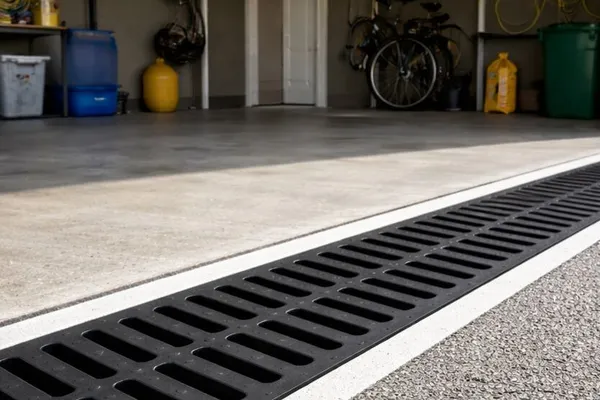
A garage opening is one of the easiest places for surface water to get inside. Once water starts crossing the threshold, it brings salt, grit, and freeze-thaw damage with it.
Runoff from the apron gets past the weather seal and ends up on the garage floor. The problem is worse on driveways that slope back toward the house.
Snowmelt from vehicles carries road salt into the garage. Over time that eats at fasteners, stains concrete, and shortens the life of the door hardware.
Meltwater that sits at the threshold refreezes overnight. That creates a slip point outside and a sticking point at the bottom of the overhead door.
If the slab stays wet, anything stored at floor level pays for it first. Cardboard, trim, drywall offcuts, and tool cases all absorb moisture fast.
Garage drains need to handle repeated vehicle traffic, winter salt, and the movement that happens right at the entry slab. We usually keep the profile compact, but we do not undersize the grate.
Door-line drains live in one of the harshest spots on the property. Salt, freeze-thaw, and tire traffic all hit the same joint, so clean installation and a solid patch matter as much as the drain body.
Most garage drains sit right at the door line or just outside the apron where runoff first concentrates.
For most homes, we install the drain across the full garage opening, right where surface water would otherwise cross the threshold. That catches driveway runoff, snowmelt off vehicles, and wash water before it reaches the slab.
If the garage floor itself is the low point, we confirm whether the problem is exterior runoff, interior wash water, or both. Then we tie the drain into drainage that can legally take it instead of cutting first and guessing later.
A standard door-line garage drain is usually a one-day job on site. Interior slab work or more involved tie-ins can extend that to a second day, but the sequence stays the same: cut, excavate, set, tie in, patch.
We mark the exact cut so the drain lands square to the opening and stays flush with the finished slab or apron.
The crew cuts clean edges, lifts out the strip, and checks what is actually under the slab before setting final depth.
We compact the base, dry-fit the body, and confirm the run has enough fall to move water out instead of holding it.
The outlet is tied into the approved drainage route and tested before we pour back around the channel.
Concrete or asphalt is repaired tight to the frame so tires cross cleanly and the door seal meets a finished surface.
Garage drains look simple from the surface, but the discharge side decides whether the job is straightforward or permit-driven. We sort that out before cutting the slab.
If the drain is catching exterior runoff at the garage opening and tying into existing private drainage, there usually is not a separate permit for the drain itself.
If the job involves cutting inside the garage and tying into building plumbing, permit and code requirements depend on the use, the discharge type, and the existing system.
We do not guess at where garage water should go. Surface runoff, wash water, and plumbing drainage are not all treated the same, and they should not be tied together casually.
Garage drain pricing depends on whether the cut is at the door line or inside the slab, and what the legal discharge route looks like.
Get a fixed-price quote after a free site visit — not a range.
Usually at the door line or just outside it. That catches water before it crosses the threshold. If the garage slab itself is sloped to an interior low point, we review that separately and confirm what kind of drainage connection is legal.
Yes, if the drain is placed where the water actually collects. A door-line trench drain keeps most meltwater from getting deep into the slab area, which makes winter cleanup much easier.
Yes. Most of our garage drain work is retrofit work in existing concrete. We saw cut the strip, excavate, set the channel, tie in the outlet, and patch the slab back around it.
Yes. We size the grate for the traffic actually using the garage. Passenger vehicles are one thing; service bays, commercial vans, and heavier vehicles need a stronger grate and sometimes a wider body.
Sometimes, but not always. Exterior door-line drains tying into existing private drainage are usually straightforward. Interior plumbing tie-ins or municipal connection work may require permits and inspection.
Putting the drain where it looks neat instead of where water actually runs. The second mistake is tying it into the wrong system. We see both problems often on DIY and handyman installs.
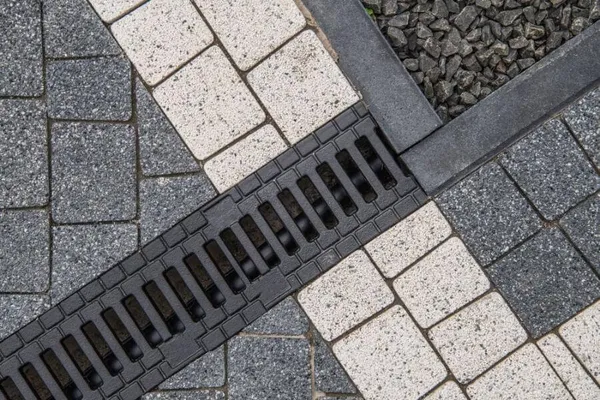
Linear surface drainage designed for long runoff paths, sloped driveways, and vehicle traffic.
View details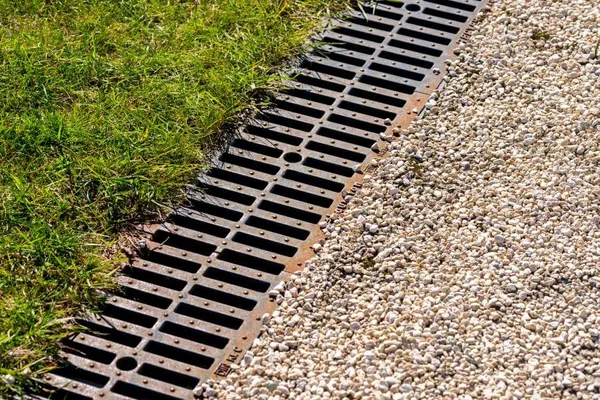
Low-profile surface drainage designed to protect finished outdoor spaces without altering elevations.
View details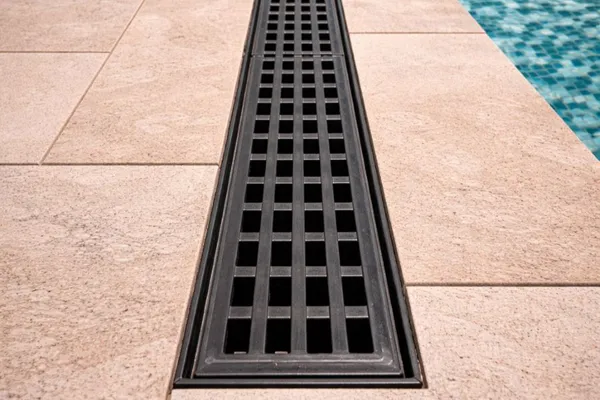
Low-profile drainage designed to manage splash water and seasonal moisture without disrupting recreation spaces.
View detailsFree site visit across the GTA. We'll tell you what you actually need — no upsell.