Why does North York drainage feel different from downtown Toronto?
Two reasons. The housing stock is mostly postwar, with shallower lot grading and tighter setbacks than older central neighbourhoods. And separated sewer service is more common here than the combined-sewer mix you see in the Annex or Riverdale, which changes outlet routing options.
Are 1950s Don Mills homes harder to drain properly?
Not harder, but different. Original Don Mills grading was sized for a much smaller storm and shallower roof areas than today's renovated homes carry. We re-read the actual surface flow on the site visit instead of trusting that the original slope still moves water where it was intended to.
Do ravine-backing properties need extra approvals?
Often, yes. The Don River system is regulated by Toronto and Region Conservation Authority, so any drainage work in or near the ravine corridor may need TRCA review. We check the property's regulated-area designation up front so the timeline reflects any review.
Can a Bridle Path or Lawrence Park property use a dry well or daylight outlet?
Frequently. Estate-scale lots usually already have private storm or daylight discharge, which gives us more outlet options than tight infill. The catch is that several of these areas border ravines and need TRCA sign-off — we factor that in.
Does the Toronto basement-flood subsidy apply here?
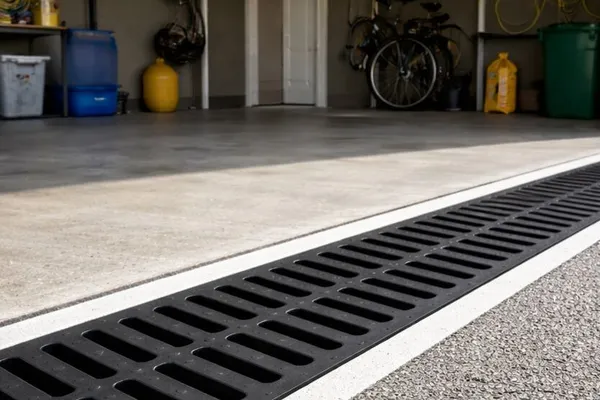
Yes. North York joined the City of Toronto in 1998, so the same Basement Flooding Protection Subsidy applies — up to $3,400 for eligible scopes that include backwater valves, sumps, or downspout disconnection. Trench drainage on its own is not subsidized but can support an eligible claim.
How fast can you reach Bayview Village or Willowdale during rush hour?
Around 25 minutes during peak, 15 to 18 off-peak. We dispatch from Richmond Hill, so the corridor down Yonge or the 404 is well-rehearsed. For active flooding we prioritize same-day or first-thing next morning.